
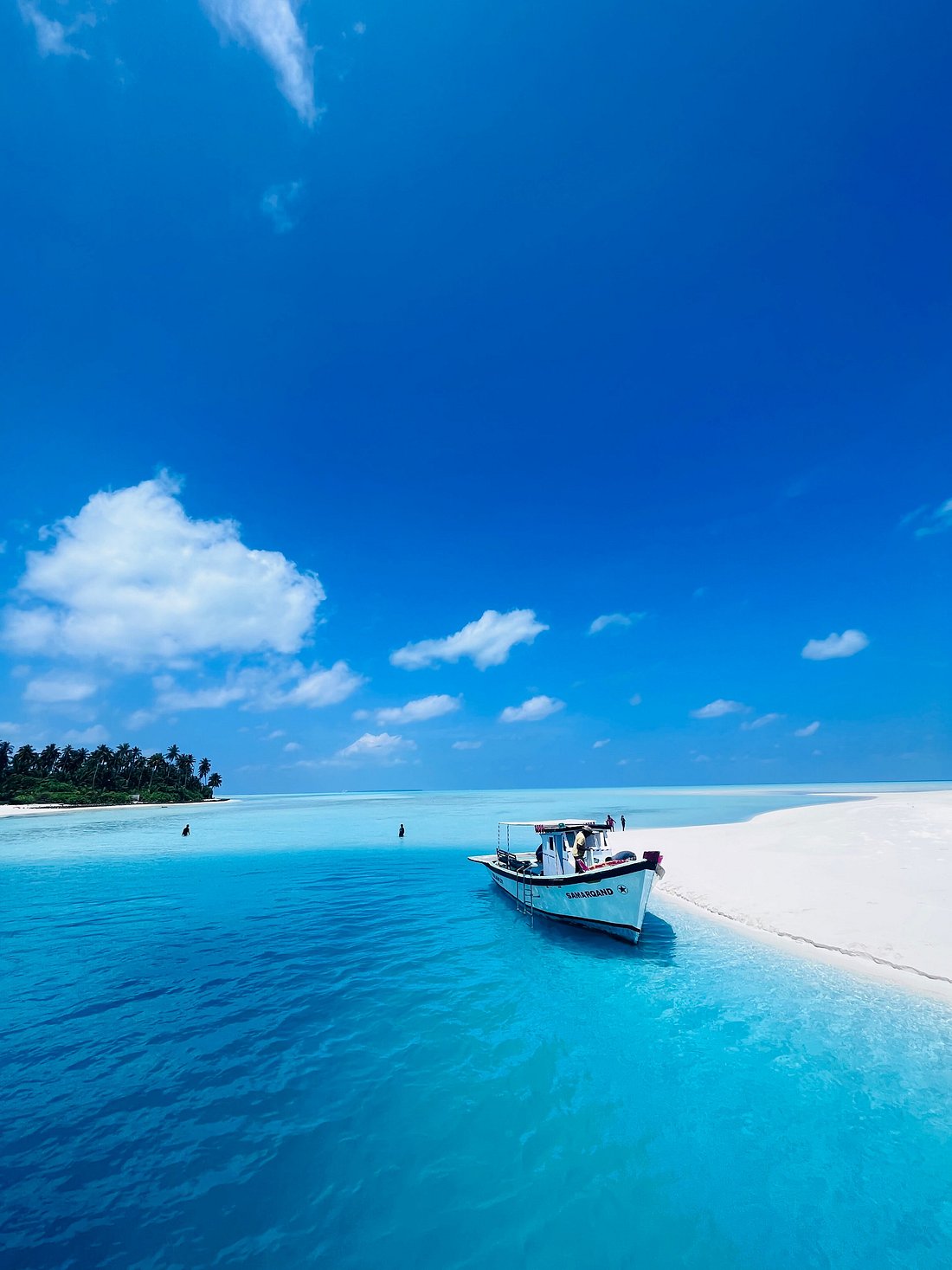
Agatti Island, nestled in our very own Lakshadweep Islands – our desi answer to the Maldives- is one spectacular destination. Agatti Island isn’t just a destination on a map; it is a living, breathing emerald suspended in a gradient of impossibly electric blues. When I first stepped onto the sun-bleached tarmac of the island’s tiny airstrip—flanked completely by the roaring, turquoise expanse of the Arabian Sea—my heart performed a synchronized leap.
Weeks before, planning this escape felt like piecing together a complex puzzle, but standing right there, breathing in the thick, salt-kissed air, every ounce of effort melted away into pure awe. This isn’t merely a tropical retreat; it is an immersive, sensory-rich journey into India’s best-kept maritime secret, waiting to envelop you in its tranquil rhythm.
History and Cultural Significance of Agatti Island
Delving past the postcard-perfect shores reveals a fascinating history deeply rooted in ancient maritime trade routes and heritage. Long before tourists discovered its shores, Agatti Island served as a crucial navigational waypoint for Arab, Persian, and Indian Ocean traders crossing the vast expanse. Local folklore mentions tales of ancient sailors seeking refuge from violent monsoons, eventually settling and establishing a quiet, resilient community.
Islam was introduced to the island in the 7th century, primarily through the missionary work of Saint Ubaidullah, shaping the spiritual heartbeat of the region. Today, the islanders live in serene harmony with their heritage, practicing a peaceful blend of traditional Malayalam culture and coastal Islamic customs. Walking through the quiet village lanes, you can feel the echoes of centuries past vibrating softly beneath your feet, far removed from the frantic pace of mainland modernity.
Natural Beauty and My Unforgettable Agatti Experience
The sheer visual poetry of Agatti’s natural landscape defies easy description, though my own arrival was wonderfully complicated by tropical unpredictability. Originally, my itinerary promised a seamless ferry transfer from a neighboring atoll, but heavy swells and shifting monsoon currents abruptly canceled all marine transit. Forced to pivot, I managed to secure a frantic last-minute seat on a turbulent, propeller-driven Alliance Air flight from Kochi, an aerial detour that turned out to be a blessing in disguise.
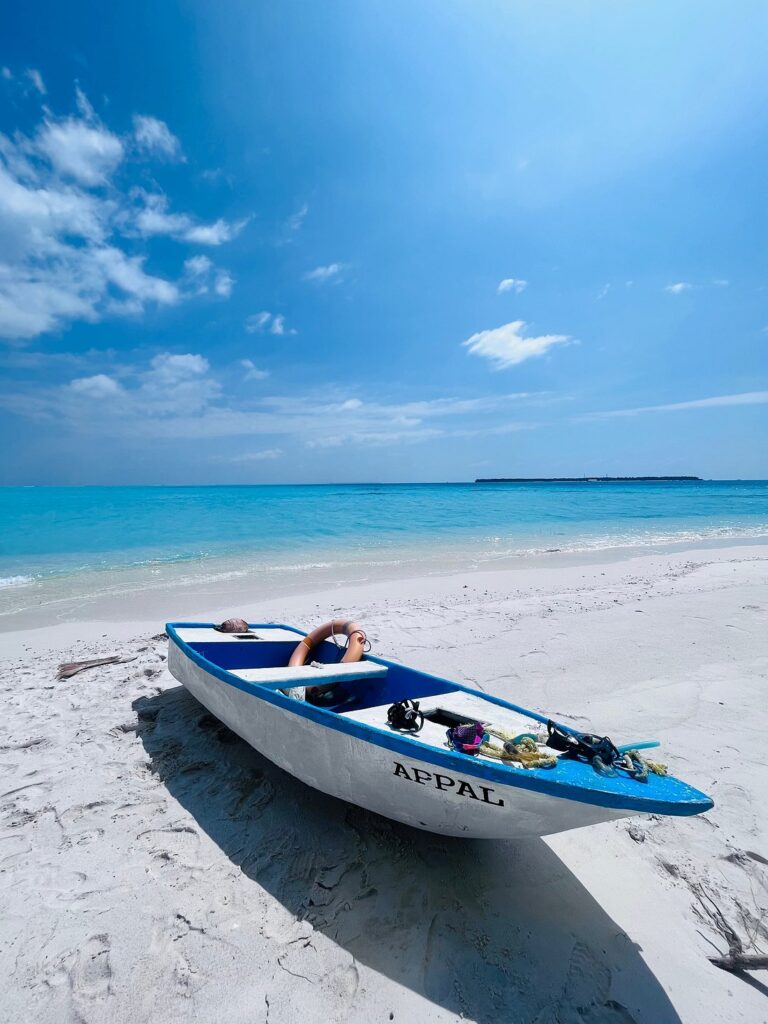
Looking down from the cabin window, the coral atolls seemed like glowing turquoise jewelry scattered across a deep indigo velvet cloth. Upon landing, the island greeted me with powdery white-sand beaches, towering coconut palms swaying to a lazy rhythm, and a lagoon that practically glowed in the afternoon sun. I was determined to spend my days wading through crystalline shallows where blacktip reef sharks would playfully dart past my ankles, and my evenings watching sunsets paint the sky in bruised purples and molten golds.
Best Time to Travel to Agatti Island
Timing your escape to this remote paradise can entirely make or break your experience, a lesson I learned the hard way. Officially, the best time to visit Agatti Island spans from October to May, when the weather remains pleasantly dry, and the ocean resembles a calm, glassy swimming pool. During these peak months, visibility underwater easily exceeds thirty meters, making it an absolute paradise for scuba divers and snorkelers.
However, I made my journey right on the unpredictable shoulder of the monsoon season in late September, driven by a stubborn desire for solitude. While I did encounter sudden torrential downpours and flight delays that tested my patience, those same moody skies gifted me empty beaches and dramatic cloudscapes that mainstream tourists never get to witness. If you prefer guaranteed sunshine and calm boat rides, stick to the winter dry season; if you crave raw, unfiltered nature and don’t mind rolling with the punches, the shoulder months offer unmatched magic.
Not to mention, shoulder seasons are cheaper too, if you are tight on a budget like me, as always!
How to Reach Agatti Island, Costs, and Travel Logistics
Reaching this remote coral outpost requires patience, careful planning, and a spirit of adventure, as spontaneity comes with a financial and logistical price tag. The most reliable and practical way to get there is by taking a direct commercial flight from Cochin International Airport (COK) in Kerala straight to Agatti Aerodrome (AGX). These flights operate regularly, but seats are notoriously limited, so booking months in advance is non-negotiable.
Alternatively, passenger ships operated by the Lakshadweep administration run from Kochi, though these take around 14 to 20 hours and are heavily prone to weather disruptions. In terms of cost, round-trip flights from Kochi generally hover around $200 to $350 USD, while government-approved resorts and homestays range from $70 to $200 per night. Additionally, securing the mandatory Lakshadweep entry permit, sponsored by a local island resident or resort, is an absolute prerequisite before stepping foot on any boat or plane.
Travel from Nearby City Hubs
For international and domestic travelers alike, mainland India’s southern tech and cultural hubs serve as your primary launchpads. Bengaluru, Chennai, and Mumbai offer seamless daily connectivity to Kochi, which is the ultimate gateway to the islands. Spending a night in Kochi before your early morning flight to Agatti is highly recommended to buffer against mainland transit delays. Once you arrive at Agatti’s tiny airport, local auto-rickshaws and rented bicycles are readily available to transport you to your beachfront cottage within minutes. Navigating these transit links smoothly ensures your transition from urban chaos to island serenity feels effortless rather than exhausting.
Essential Tips and Tricks for Agatti Island Travelers
Maximizing your enjoyment of this fragile ecosystem requires respecting local customs and preparing for infrastructural limitations. First and foremost, remember that Lakshadweep is a culturally conservative, Muslim-majority region; modest clothing (shoulders and knees covered) is expected outside of designated resort bikinis.
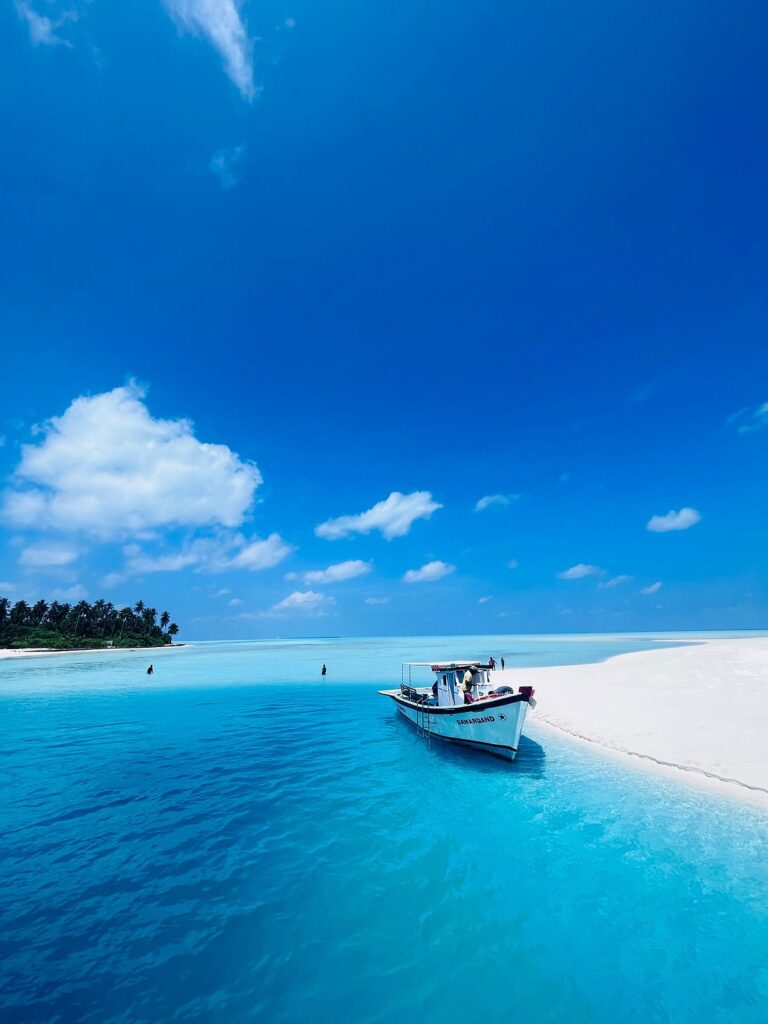
Connectivity on the island is famously spotty, with BSNL and Airtel offering intermittent 4G data, making this a golden opportunity for a much-needed digital detox. Bring plenty of reef-safe sunscreen, cash (as ATMs frequently run out of money or experience network failures), and a reusable water bottle to minimize plastic waste on the island. Always double-check your entry permits twice, keep flexible buffer days in your travel itinerary for weather delays, and treat the delicate coral reefs with absolute reverence so they remain pristine for generations to come.
Frequently Asked Questions
Do I need a permit to visit Agatti Island?
Yes, all visitors, including Indian citizens, are legally required to obtain an entry permit issued by the Lakshadweep Administration. You can apply for this online through authorized portals, usually sponsored by your booked resort, hotel, or a local island resident.
What is the best way to explore Agatti Island?
Because the island is relatively small, just about six kilometers long, renting a bicycle, hiring a local auto-rickshaw, or simply walking are the best ways to soak in the local sights, interact with friendly residents, and discover hidden coves.
Is scuba diving good at Agatti Island?
Agatti offers some of the most spectacular, untouched scuba diving and snorkeling experiences in the Indian Ocean. The surrounding barrier reefs boast vibrant coral gardens, sea turtles, manta rays, and an astonishing variety of tropical reef fish.
How is the mobile network and internet connectivity on Agatti?
Cellular connectivity can be quite erratic and unreliable, primarily relying on BSNL and limited Airtel networks. High-speed broadband is scarce, so travelers should expect a partial digital detox during their stay.
Immersing yourself in the tranquil beauty of Agatti Island changes your perspective on time, nature, and the simple joys of coastal living. Pack your bags with an open mind, respect the delicate island ecosystem, and let the gentle rhythm of the turquoise tides guide your unforgettable tropical escape.
Frequently Asked Questions
How does the monsoon season impact travel and activities on Agatti Island?
The monsoon season brings sudden torrential downpours and rough marine conditions that can cancel ferry transfers and disrupt travel. However, visiting during the shoulder months offers empty beaches, dramatic skies, and unmatched solitude, provided you are willing to embrace occasional flight delays and unpredictable weather.
What makes the air journey to Agatti Island particularly memorable for travelers?
Flying into Agatti via a propeller-driven aircraft from Kochi offers a breathtaking aerial perspective. Passengers are treated to stunning bird-eye views of the coral atolls, which resemble glowing turquoise jewelry scattered across a deep indigo ocean, turning a logistical necessity into an unforgettable visual experience.
How has the cultural identity of Agatti Island been shaped over the centuries?
Agatti's culture is a unique blend shaped by its history as an ancient maritime trade waypoint for Arab, Persian, and Indian sailors. The introduction of Islam in the 7th century fused with traditional Malayalam customs, creating a peaceful, resilient local community deeply rooted in its heritage.
What underwater visibility can divers expect during the peak tourism months?
Between October and May, which marks the dry season, the ocean around Agatti resembles a calm swimming pool. During this peak period, underwater visibility easily exceeds thirty meters, providing ideal conditions for scuba diving and snorkeling enthusiasts.