Perched high on the outer slopes of the Dhauladhar range in Himachal Pradesh, McLeod Ganj feels less like a typical Indian hill station and more like an atmospheric mountain refuge. Often dubbed “Little Lhasa,” this vibrant suburb of Dharamshala is world-renowned as the residence of His Holiness the 14th Dalai Lama and the seat of the Tibetan government-in-exile.
With its pine-draped ridgelines, spinning prayer wheels, and the heady aroma of freshly steamed momos mingling with cedarwood smoke, it has long been a haven for spiritual seekers, trekkers, and digital nomads. Best of all? You don’t need deep pockets to experience its soul. McLeod Ganj is one of the most budget-friendly, culturally rich destinations in the Indian Himalayas.
If you are planning a trip to the Himalayan foothills of McLeod Ganj, Dharamshala, you don’t need to set aside a fortune; you can easily complete your trip on a shoestring, just as the phrase goes. In this comprehensive guide, you will learn how to experience the home of the Dalai Lama affordably by staying in budget Tibetan guesthouses, dining at cheap local cafes, and trekking scenic mountain trails without spending a fortune. Whether you want to immerse yourself in Tibetan culture, volunteer with local NGOs, or explore roaring waterfalls, this itinerary provides actionable strategies to maximize your travel value.
Here is your comprehensive shoestring guide to navigating monasteries, hiking to waterfalls, and eating like royalty without breaking a ₹1,500 ($20) daily budget.
Key Takeaways
- Secure budget accommodation by booking family-run Tibetan guesthouses directly upon arrival rather than using high-commission booking platforms.
- Sustain daily living costs under $20 USD by eating at local community eateries, street stalls, and Tibetan settlement canteens.
- Access world-class Himalayan hiking trails, waterfalls, and monasteries entirely free of charge.
Getting There and Around Without Burning Cash
The journey up the mountain sets the tone for your budget trip. While Gaggal Airport (Kangra) is nearby, flights are notorious for unpredictable cancellations and steep ticket prices.
- The Budget Route: Take an overnight semi-sleeper or Volvo bus from Delhi (ISBT Kashmiri Gate) or Chandigarh. State-run HRTC buses cost between ₹600 and ₹1,200 and drop you directly at the McLeod Ganj main bus stand.
- Train Alternative: Book a sleeper or 3AC berth on an overnight train to Pathankot Cantt (PTK). From Pathankot, regular state buses run directly to Dharamshala for under ₹150, from where local shared cabs (taxis) or local buses will haul you up the final 9-kilometer switchback to McLeod Ganj for ₹20 to ₹30.
- Getting Around: Avoid hiring private point-to-point taxis. McLeod Ganj, Bhagsu, and Dharamkot form a walkable triangle connected by winding mountain paths and paved stairs. Walking is not just free; it is the most rewarding way to take in the views.
How Can You Find Affordable Accommodation in McLeod Ganj?
Accommodation in upper Dharamshala caters generously to backpackers. But securing cheap lodging in the upper Dharamshala region will depend on how well you understand the local micro-neighborhoods and seasonal shifts. Fret not; I am here to help. You don’t need to know a local to know which locality is the cheapest.
The main market square mostly features hotels with inflated rates. So instead of choosing accommodation here, try stepping slightly off the beaten path toward Jogiwara Road or Bhagsu. Here you will find quiet family-run guesthouses that are easier on the pocket. These properties often cater to spiritual seekers and long-term backpackers who prioritize community over luxury amenities.
If you are intending to stay longer, then negotiating weekly or monthly rates drastically reduces nightly expenses. Many homestays include shared kitchens, allowing budget-conscious visitors to prepare basic meals and save on dining out. Choosing locally owned properties also ensures your tourism expenditure directly supports the Tibetan refugee community.
Here are some of the types of accommodation to look at:
Hostel Dorms (₹350 – ₹700/night): Hostels like Zostel, The Hosteller, and local boutique hostels in Dharamkot or near Jogiwara Road offer warm bunks, clean shared washrooms, fast Wi-Fi, and common terraces facing the Kangra Valley.
Family Homestays (₹600 – ₹1,000/night): If you prefer a private room, walk down Jogiwara Road or along the trails toward Bhagsu. Many local Gaddi and Tibetan families rent out quiet, clean en-suite rooms with mountain views. Always negotiate politely in person, especially if you plan to stay more than three nights.
So Pro-Tip: If the buzz around McLeod Ganj’s main square feels congested, base yourself a 20-minute uphill walk away in Dharamkot. It’s quieter, immersed in cedar and deodar forests, and packed with budget cafes.
Exploring McLeod Ganj: Waterfalls and Monasteries
The core of McLeod Ganj is deeply spiritual, and exploring its sacred sites costs virtually nothing.
Tsuglagkhang Complex (The Dalai Lama’s Temple)
Located at the southern end of Temple Road, the Tsuglagkhang Complex is the spiritual heartbeat of the Tibetan diaspora. Entrance is completely free.
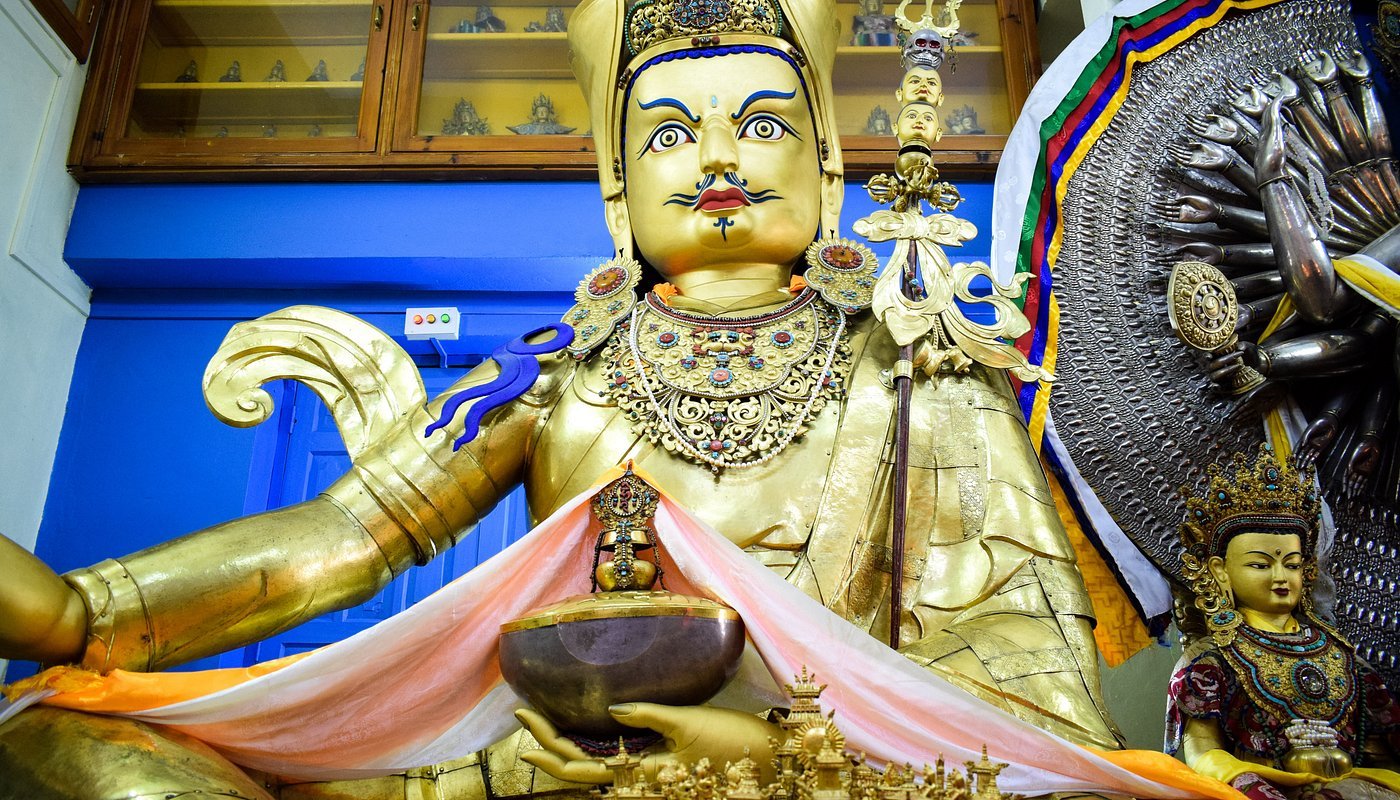
- What to Experience: Walk inside the main prayer hall adorned with gilded statues of Avalokiteshvara, Shakyamuni Buddha, and Guru Rinpoche. Sit quietly as crimson-robed monks chant rhythmic mantras.
- The Kora Circuit: Do not skip the Lingkhor (the prayer walk encircling the monastery). Draped in thousands of fluttering prayer flags, this peaceful path is lined with prayer wheels, mani stones, and butter lamps. Spin the wheels clockwise and absorb the sweeping views of the valley below.
- Tibet Museum: Located near the main gate of the temple complex (nominal entry fee of around ₹20), this moving museum chronicles the historical, cultural, and political struggles of Tibet.
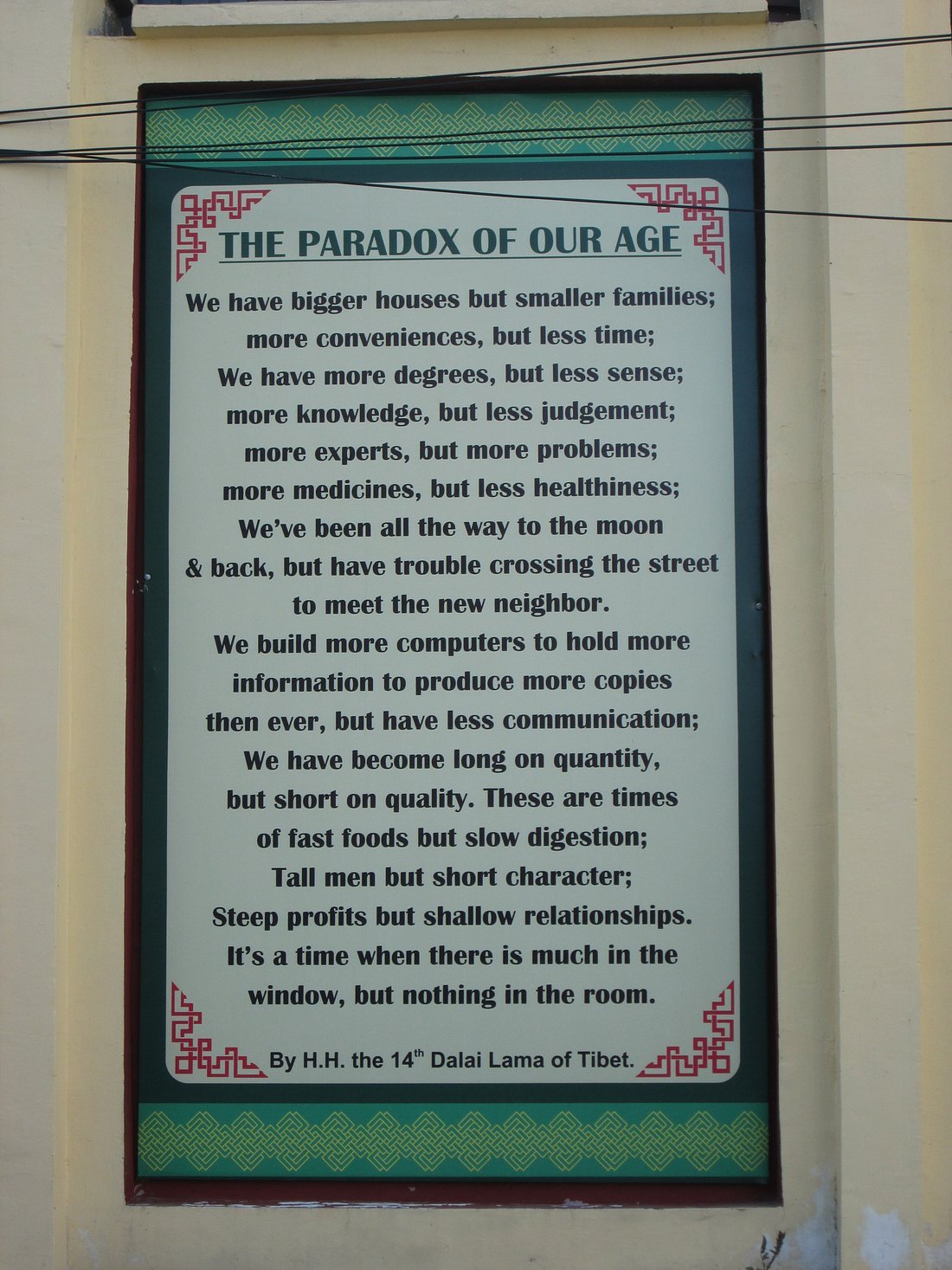
Namgyal Monastery
Sharing the complex grounds, Namgyal is the personal monastery of the Dalai Lama. If you visit in the mid-afternoon, head to the courtyard to witness monk debates. Clapping hands sharply to emphasize philosophical points, the monks engage in dynamic, theatrical dialectics, a fascinating tradition that visitors can watch with respectful silence.
Nechung Monastery and Norbulingka Institute
A short shared-cab ride down toward Gangchen Kyishong brings you to Nechung Monastery, home to the State Oracle of Tibet. For a slightly longer half-day excursion, hop on a local bus down to Sidhpur to visit the Norbulingka Institute (entry ~₹100), dedicated to preserving traditional Tibetan arts, thangka painting, woodcarving, and bronze casting.
Chasing Waterfalls and Mountain Trails
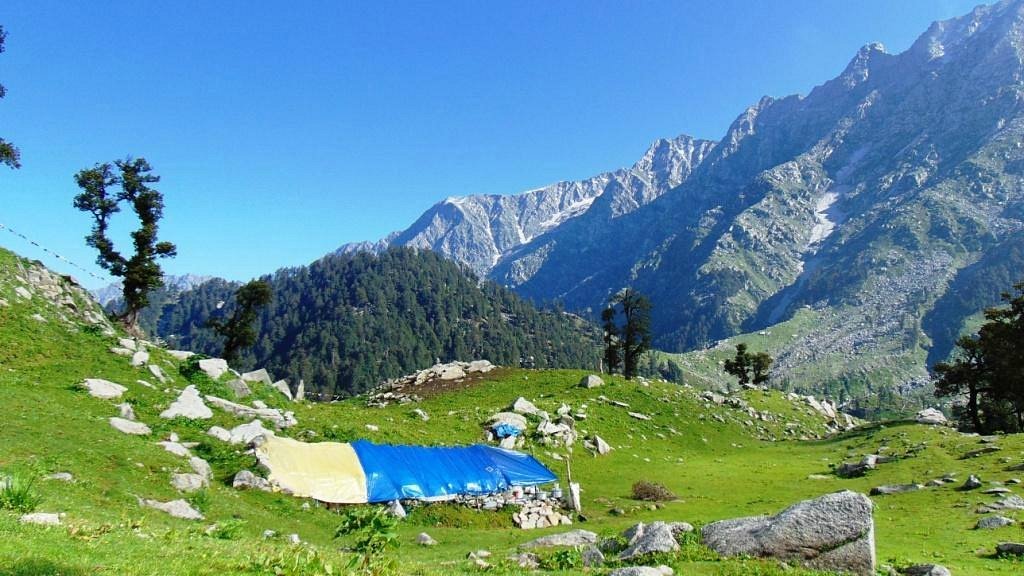
Beyond the prayer flags lies rugged Himalayan wilderness accessible directly from your doorstep. For more ambitious hikers, the trail to Triund Hill offers panoramic views of the Kangra Valley and snow-capped peaks. While hiring a guide is optional for well-marked routes, carrying your own water and snacks eliminates the inflated costs at mountain checkpoints. According to the Ministry of Tourism, responsible trekking practices help preserve these fragile Himalayan ecosystems for future generations of budget travelers.
Bhagsu Waterfall (and Beyond)
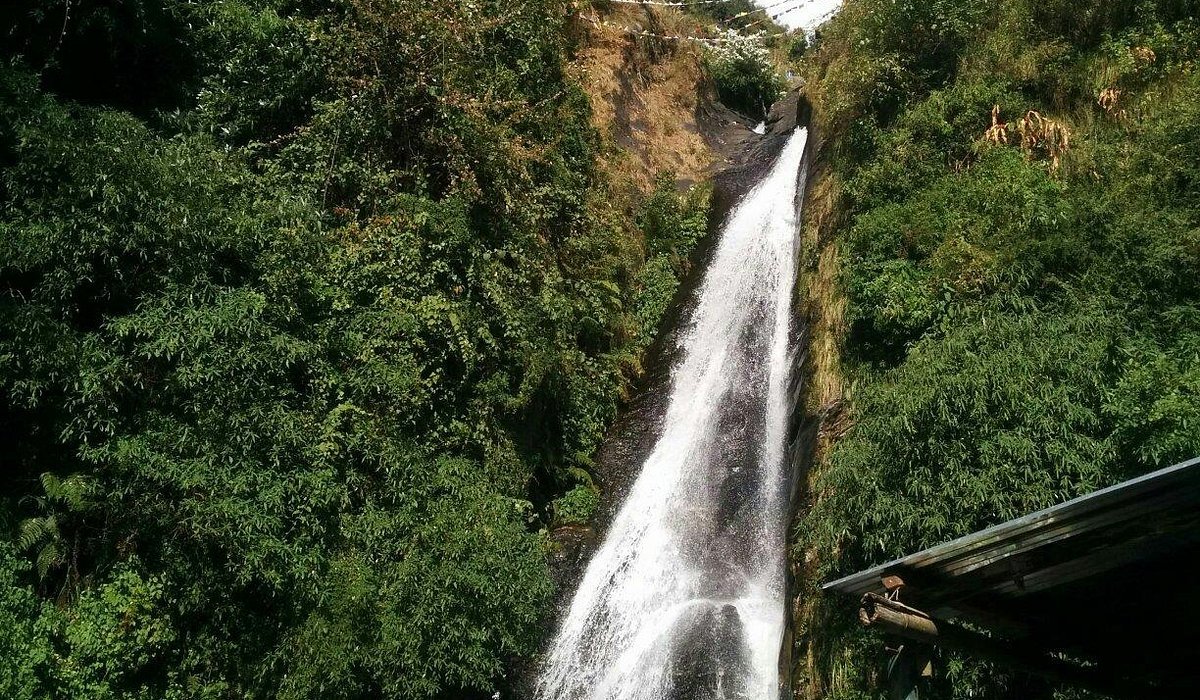
A 2-kilometer walk east of McLeod Ganj brings you to the tourist-heavy village of Bhagsu and the Bhagsunag Temple. Behind the temple, a paved walking trail winds up toward Bhagsu Waterfall.
- The Shoestring Hack: The base of Bhagsu Waterfall gets crowded with daytime day-trippers. Instead of stopping at the bottom, cross the rocky path and keep climbing the mountain trail toward the upper ridges. Here, crystal-clear glacial streams pool into quiet, natural swimming spots surrounded by sheer rock faces.
- Grab a steaming cup of ginger lemon honey tea at Shiva Cafe, perched on the cliffs high above the fall, before hiking back down.
Gallu Waterfall Trail
If Bhagsu is too bustling for your liking, take the trail starting behind Dharamkot toward Gallu Devi Temple. Instead of taking the primary trail up toward the high-altitude Triund crest, ask locals for the narrow forest descent leading to Gallu Waterfall (often called the secret waterfall). It requires scrambling over boulders and through rhododendron groves, but you will often have the entire gushing mountain cascade to yourself.
Cheap Eats: Fueling Up on Momos, Thukpa, and Bakeries
Eating in McLeod Ganj is an affordable culinary adventure. You can easily eat three hearty meals a day for under ₹400 ($5).
Small neighborhood canteens, community cooperative kitchens, and roadside stalls serve hearty plates of momos, tingmo, and thukpa for minimal cost. These eateries prioritize nutrition and tradition, offering massive portions designed to fuel hikers tackling mountain paths.
If you go exploring the narrow alleys behind the Tsuglagkhang Complex, you will uncover hidden bakeries and tea stalls favored by resident monks and students. Sipping butter tea or masala chai while sharing a table with locals provides an immersive cultural exchange that commercial restaurants simply cannot replicate.
Street Stalls and Alleyway Dhabas
- Tibetan Steamed Breads & Momos: Along Jogiwara Road and the Main Square, street vendors steam handmade momos (vegetable, paneer, or potato-spinach) served with fiery red-chili and tomato-garlic chutney for ₹70 – ₹100 a plate.
- Tingmo and Thentuk: Tingmo (steamed folded bread) dipped in steaming spicy vegetable or bean broth costs around ₹80 to ₹120. A hearty bowl of hand-pulled Thentuk noodles at small spots like Tibetan Kitchenette or tiny nameless hole-in-the-wall joints will keep you fueled for an entire day of hiking.
- Laphing: Don’t miss Laphing, cold, slippery mung-bean or wheat noodles rolled with soy chunks, garlic water, coriander, and fiery chili oil, available at street carts for just ₹50 a roll.
Iconic Budget Cafes
- Common Ground Cafe: Located down a flight of stairs on Jogiwara Road, this cozy spot serves homestyle Tibetan-Chinese and herbal teas at gentle prices.
- Moonpeak Espresso: Perfect for a mid-morning pause, offering quality espresso and fresh Himalayan apple crumble without tourist-trap prices.
- Nick’s Italian Kitchen / Kunga Guest House: Famous for rooftop seating and massive slices of lemon cheesecake, quiches, and pasta dishes that won’t dent your wallet.
- Bhagsu Cake: In Bhagsu and Dharamkot, grab a slice of the legendary “Bhagsu Cake”, a local invention made of a crumbly cookie crust, thick condensed-milk caramel, and rich dark chocolate (₹60 – ₹80).
A McLeod Ganj Secret – Volunteer and save money
Many travelers visiting McLeod Ganj on a shoestring choose to balance sightseeing with meaningful community service. Numerous local NGOs, environmental groups, and educational centers welcome short-term and long-term volunteers. Teaching English to newly arrived refugees, assisting in animal welfare shelters, or participating in neighborhood clean-up drives costs nothing and enriches your travel experience.
Language exchange programs hosted by local cafes and cultural centers provide another avenue for reciprocal learning. By trading conversational English for Tibetan or Hindi practice, you build lasting friendships with residents. These engagements transform a standard sightseeing trip into a transformative cultural immersion.
Sample 3-Day Shoestring Itinerary
| Day | Morning | Afternoon | Evening | Est. Daily Spend |
| Day 1 | Arrive via bus, check into a Dharamkot/Jogiwara hostel | Visit Tsuglagkhang Temple & walk the sacred Kora circuit | Watch sunset from St. John in the Wilderness church; street momos | ₹800 – ₹1,200 |
| Day 2 | Morning trek to Bhagsu Waterfall & cliff hike past Shiva Cafe | Explore Tibetan craft markets; visit Tibet Museum | Cozy dinner at a local noodle house; herbal tea & reading | ₹600 – ₹900 |
| Day 3 | Hike forest trail toward Gallu Waterfall or peaceful Dharamkot | Afternoon visit to Nechung Monastery; souvenir thrifting | Treat yourself to Bhagsu Cake & an evening cafe acoustic set | ₹700 – ₹1,000 |
Final Tips for the Frugal Traveler
- Carry a Reusable Bottle: Most cafes and hostels offer filtered water refills for ₹10–₹20 or for free, saving plastic and money.
- Dress in Layers: Mountain weather turns fast. Bring a windbreaker and fleece so you don’t get forced into panic-buying overpriced knitwear on the street.
- Respect Local Customs: Always circumambulate stupas, temples, and prayer wheels clockwise, dress modestly when entering temple grounds, and ask before photographing monks.
What Practical Budget Hacks Ensure a Seamless Journey?
These days, the most expensive part of travel is transportation, especially with increasing fuel prices. Navigating transportation efficiently prevents unexpected expenses from draining your travel fund. Taking the public bus from Dharamshala down to the lower towns costs a fraction of what private taxis charge. Walking between local landmarks keeps your carbon footprint low while revealing hidden street art, artisan workshops, and quiet lookout points.
Managing cash flow wisely is essential, as some smaller guesthouses and street vendors do not accept digital payments or cards. Utilizing reliable local ATMs and carrying small denomination notes simplifies daily transactions. Packing layers, comfortable walking shoes, and a reusable water bottle minimizes recurring incidental purchases throughout your stay.
Embracing a slow, intentional travel style allows you to uncover the authentic heartbeat of McLeod Ganj without financial strain. McLeod Ganj proves that some of the world’s most breathtaking landscapes and deepest spiritual traditions don’t demand a luxury budget. Lace up your walking shoes, follow the trail of prayer flags, and let the mountain mist do the rest.
Frequently Asked Questions
How can travelers avoid high booking platform commissions for guesthouses in McLeod Ganj?
Travelers can secure better rates by walking in and booking family-run Tibetan guesthouses directly upon arrival. Focusing on micro-neighborhoods like Jogiwara Road or Bhagsu rather than the main square uncovers affordable, locally owned homestays that rarely list on major high-commission websites.
Where are the best hidden spots to eat authentic Tibetan food on a tight budget?
Exploring the narrow alleys behind the Tsuglagkhang Complex reveals hidden neighborhood canteens, cooperative kitchens, and bakeries. These street-level spots serve massive portions of traditional dishes like momos and thukpa, frequented by resident monks and students at a fraction of commercial restaurant prices.
What cultural and spiritual activities can visitors experience completely for free?
Visitors can enter the Tsuglagkhang Complex, the official residence of the Dalai Lama, without charge to observe daily prayer wheels, temple grounds, and energetic monk debates. Additionally, morning meditation sessions and exploring the intricate murals of the Kalachakra Temple cost nothing.
Are there ways to reduce daily living expenses below twenty dollars in this Himalayan region?
Sustaining daily costs under twenty dollars involves eating exclusively at local community eateries, street stalls, and Tibetan settlement canteens. Furthermore, staying at homestays with shared kitchen facilities allows budget backpackers to prepare basic meals and drastically cut down on dining expenses.