
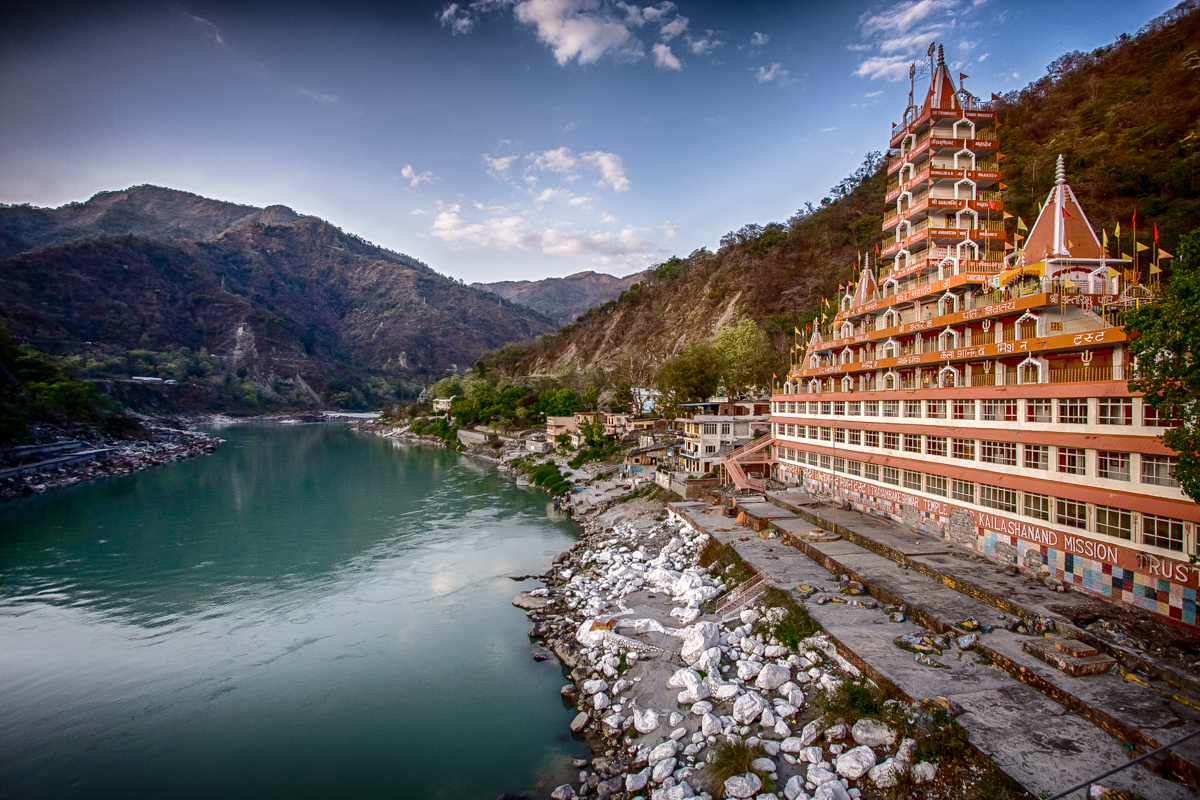
The first thing that hits you upon entering the holy city isn’t the crisp mountain air or the emerald hue of the Ganges, but the rhythmic vibration of temple bells echoing against the Shivalik hills. Exploring the temples in Rishikesh is less of a sightseeing tour and more of a sensory immersion into the very soul of India. As I stood on the banks of the river, the scent of burning camphor and fresh marigolds clinging to the breeze, I realized that these ancient structures are not just monuments of stone and mortar; they are living, breathing portals to a spiritual heritage that has survived millennia.
Walking through the narrow, winding lanes of the city, you feel the weight of history beneath your feet. Every corner tells a story of a sage’s penance or a deity’s grace. Rishikesh, often hailed as the Yoga Capital of the World, serves as the gateway to the Char Dham Yatra, making it a pivotal stop for anyone seeking the profound energy of temples in Uttarakhand. My journey began at the break of dawn, when the mist still clung to the water’s surface, turning the landscape into a charcoal sketch of divinity.
The Ancient Heart: Bharat Mandir
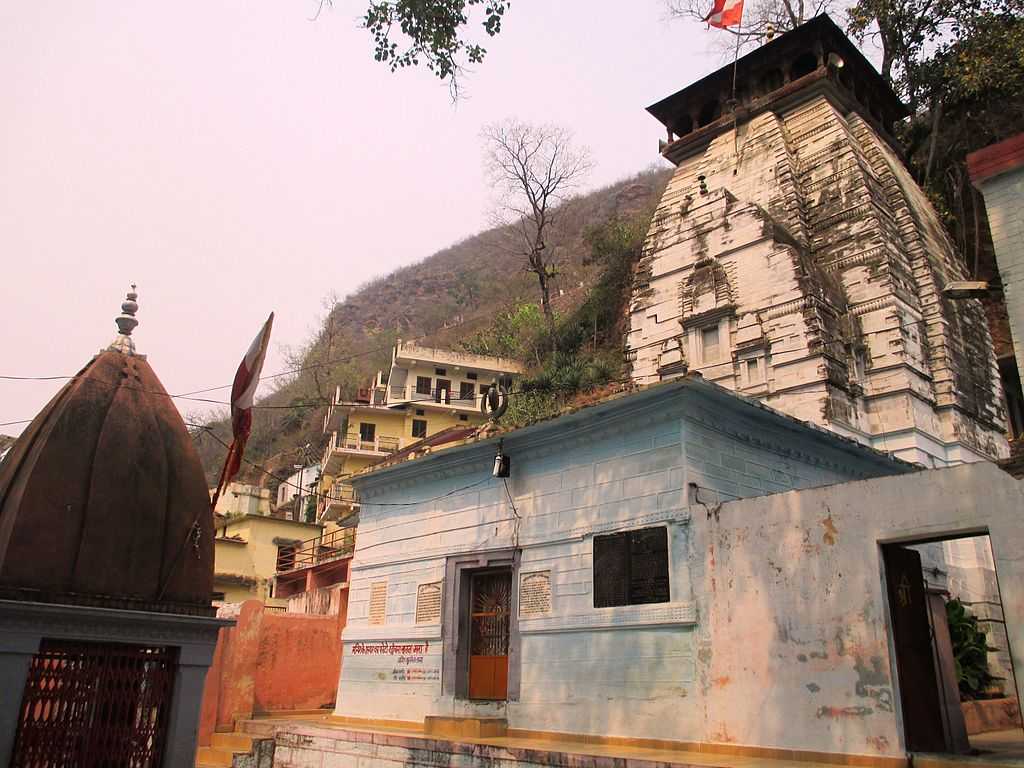
My first stop was the Bharat Mandir, arguably the most significant historical site in the city. Founded by Adiguru Shankaracharya in the 8th century, this temple doesn’t scream for attention with flashy colors; instead, it commands respect with its somber, weathered stone walls. As I stepped inside, the temperature dropped instantly, the thick walls insulating the sanctum from the humid morning air. The idol of Lord Vishnu, carved from a single piece of black Saligram stone, has a gaze that feels remarkably contemporary, as if it is witnessing your very thoughts.
Legend has it that if you perform 108 rounds of the inner sanctum on Akshaya Tritiya, it is equivalent to a pilgrimage to Badrinath. While I didn’t manage the full count, the meditative silence of the courtyard offered a rare moment of introspection. The temple also houses a small museum where artifacts dating back to the 2nd century are preserved, showcasing the deep-rooted history of this region. It is a stark reminder that before Rishikesh was a hub for backpackers and white-water rafters, it was a sanctuary for the most austere of seekers.
Triveni Ghat: Where Three Rivers Meet in Spirit
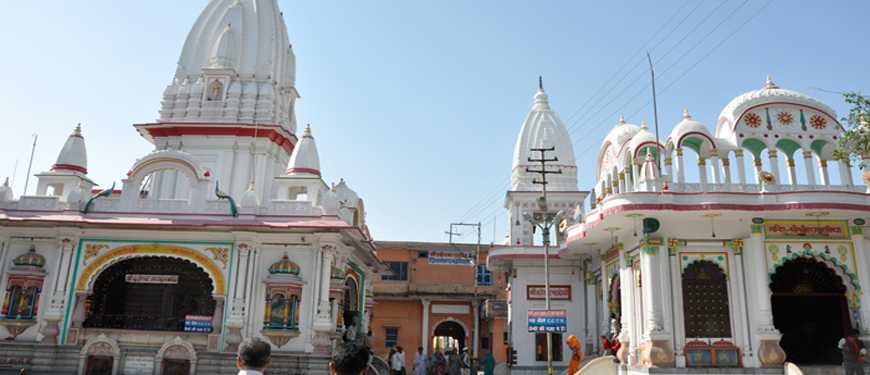
While many visit the temples in Rishikesh for their architecture, Triveni Ghat is where you go to witness the heartbeat of local faith. Although technically a confluence point of the Ganga, Yamuna, and Saraswati, the entire ghat functions as an open-air temple. I arrived just as the evening ‘Ganga Aarti’ was beginning. The sight of hundreds of tiny leaf lamps (diyas) flickering on the water is something that no photograph can truly capture. You have to feel the heat of the massive brass lamps held by the priests and hear the thunderous chanting of the Hanuman Chalisa to understand the magnetism of this place.
As the sun dipped behind the mountains, painting the sky in shades of bruised purple and molten gold, I sat on the cold stone steps. The water lapped at my feet, surprisingly warm despite its glacial origins. This is the spot where pilgrims take a holy dip to cleanse their souls. Watching an elderly woman carefully place a flower-filled boat into the current, her eyes closed in fervent prayer, showed me more about the significance of Rishikesh than any guidebook ever could.
The Mythological Majesty of Neelkanth Mahadev
To reach Neelkanth Mahadev, I embarked on a winding 32-kilometer drive through the lush forests of the Rajaji National Park. This temple is perched at an altitude of 1,330 meters and marks the spot where Lord Shiva is said to have consumed the poison (Halahala) that emerged during the Samudra Manthan. The drive itself is a masterclass in natural beauty, with sunlight filtering through the dense canopy of Sal and Teak trees, occasionally revealing glimpses of the valley below.
The temple’s facade is a riot of colors, depicting scenes from the churning of the ocean. Unlike the quietude of Bharat Mandir, Neelkanth is vibrant, loud, and bustling with energy. The queue of devotees carrying ‘Kanwars’ (holy water containers) stretched long, but the atmosphere was one of shared purpose rather than frustration. I sipped on a glass of fresh sugarcane juice from a local vendor while waiting, the sweet liquid a perfect antidote to the mountain humidity. Reaching the inner sanctum and touching the cool Shivalingam felt like a physical connection to the cosmic legends of old.
Kunjapuri Devi Temple: Dawn Above the Clouds
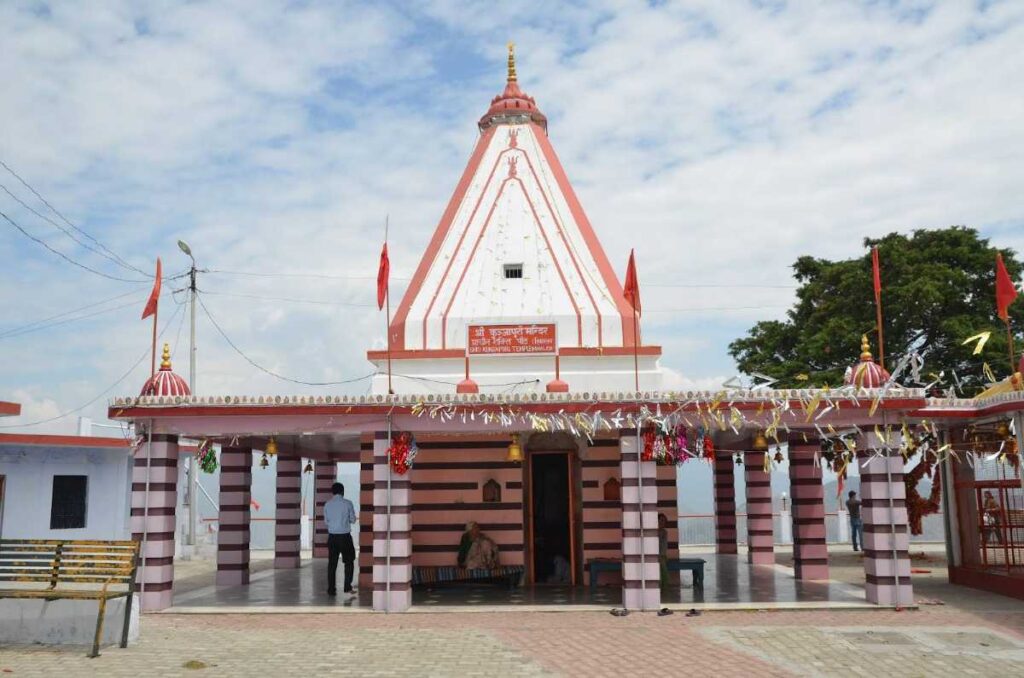
Getting up at 4:00 AM while on vacation is usually a tough sell, but the pre-dawn drive up the winding mountain roads to Kunjapuri is worth every lost minute of sleep. Perched on a sharp ridge at an altitude of nearly 1,675 meters, the temple offers a panoramic view that text alone can’t do justice to. Standing at the top, watching the sky shift from deep ink to shades of amber and rose over the snow-capped Himalayan peaks, is nothing short of magical.
Climbing the final flight of roughly 300 steps gets your heart rate up, but the crisp, cool mountain air keeps you moving. Once you reach the main shrine—one of the revered Shakti Peethas—the atmosphere shifts. It’s incredibly peaceful, punctuated only by the occasional sound of a ringing temple bell or the low chatter of fellow travelers waiting for the sun to break over the horizon. Looking down, you can trace the faint ribbon of the Ganga winding through the valley far below, making the climb feel entirely worth it.
Trayambakeshwar Temple: The Pulse of Laxman Jhula
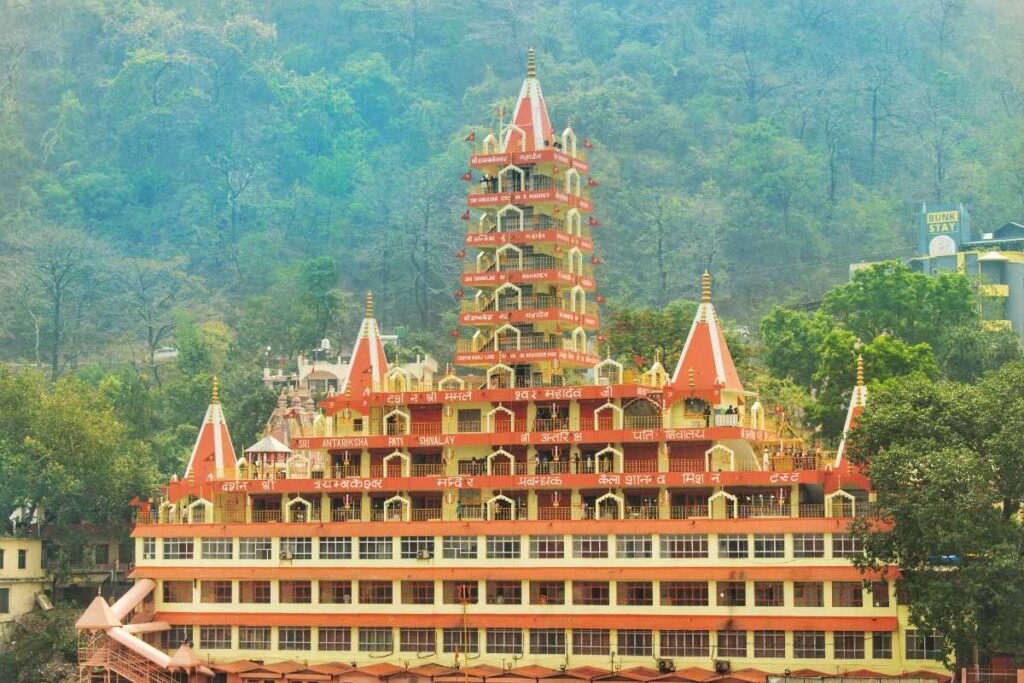
If Kunjapuri is all about high-altitude solitude, Trayambakeshwar Temple (often called Tera Manzil) is the exact opposite—vibrant, bustling, and deeply intertwined with the daily rhythm of Rishikesh. Standing iconic and imposing right next to the famous Laxman Jhula bridge, this massive 13-story structure dominates the riverbank. Walking along the ghats, it’s impossible to miss its symmetry and distinctive orange-and-yellow facade mirroring across the water.
Exploring the temple itself feels like a vertical journey through a spiritual maze. As you climb up the open-air walkways of each level, you pass dozens of small shrines dedicated to various Hindu deities, accompanied by the gentle sound of chants and the scent of incense. The real reward, though, keeps getting better the higher you go. By the time you reach the top floors, the panoramic views of the turquoise Ganga rushing through the gorge and the suspension bridge swinging below give you a fantastic perspective of the energetic heart of the town.
Parmarth Niketan and the Swarg Ashram Circuit
Crossing the iconic Ram Jhula suspension bridge—which sways gently under the weight of pedestrians and the occasional bold monkey—leads you to the Swarg Ashram area. This is the spiritual nucleus of the town. Parmarth Niketan, with its sprawling gardens and white marble statues, feels like an oasis of calm. The temple complex here is famous for its massive statue of Lord Shiva sitting in meditation over the Ganges. I spent an hour just sitting in the gardens, watching the orange-robed students of the Gurukul practice their lessons.
Nearby, the Geeta Bhawan and the Beatles Ashram (Chaurasi Kutia) offer a different kind of temple experience. While the Beatles Ashram is now a ruin reclaimed by the forest, the graffiti-covered meditation cells feel like temples to the 1960s counter-culture movement. It’s a fascinating juxtaposition: ancient Vedic chants on one side of the river and the lingering echoes of ‘Dear Prudence’ on the other. This blend of the ancient and the modern is what makes the temples in Rishikesh so uniquely accessible to the global traveler.
Expanding the Horizon: Devprayag and Panchprayag
If you have a couple of extra days, I highly recommend traveling further upstream. Rishikesh is the starting point for the journey to Devprayag, the sacred spot where the Alaknanda and Bhagirathi rivers merge to officially become the Ganga. Standing at the ‘Sangam’ (confluence), you can clearly see the distinct colors of the two rivers—one a turquoise blue, the other a muddy brown—fighting for dominance before they unite. This is the first of the Panchprayag (five holy confluences), and the Raghunathji Temple here, built of massive stones, is a marvel of ancient engineering.
The journey to Devprayag takes about 2.5 to 3 hours from Rishikesh via the NH7. The road hugs the cliffs, offering vertigo-inducing views of the river gorge. It serves as a reminder that the spiritual landscape of Uttarakhand is vast and interconnected, with Rishikesh serving as the vital anchor for the entire Himalayan circuit.
How to Reach the Spiritual Hub
Reaching Rishikesh is remarkably straightforward, regardless of your starting point. If you are coming from Delhi, the most convenient way is to take the Dehradun Shatabdi or the Jan Shatabdi to Haridwar, followed by a 45-minute taxi or auto-rickshaw ride. For those who prefer flying, the Jolly Grant Airport in Dehradun is just 20 kilometers away, with frequent flights from major Indian cities.
If you are traveling from nearby city hubs like Chandigarh or Jaipur, overnight luxury buses are a comfortable and affordable option. For the more adventurous, a road trip from Delhi (approx. 250 km) takes about 5-6 hours via the Meerut Expressway. The transition from the flat plains of Uttar Pradesh to the rising foothills of Uttarakhand is a visual treat that prepares your mind for the spiritual journey ahead.
Cost of the Trip: Budgeting Your Pilgrimage
Rishikesh is one of those rare destinations that caters to every wallet. A budget traveler can easily survive on $15-$20 (INR 1200-1500) per day, staying in ashrams or hostels and eating at local ‘dhabas’. A plate of steaming hot ‘Aloo Puri’ near the bus stand costs less than a dollar and is incredibly soul-satisfying. On the other end of the spectrum, luxury spa resorts like Ananda in the Himalayas offer world-class wellness treatments for upwards of $500 per night.
Entry to most temples in Rishikesh is free, though small donations for the upkeep of the shrines are always appreciated. Transportation within the city is best done on foot or via shared ‘Vikrams’ (large autos) which cost about INR 20-40 per ride. If you plan to visit Neelkanth Mahadev, hiring a private taxi will cost you around INR 1500-2000 for a round trip.
Tips and Tricks for the Savvy Traveler
To make the most of your visit, keep these practical tips in mind. First, always dress modestly when visiting temples; shoulders and knees should be covered. Carrying a light scarf is a good idea for both sun protection and as a quick cover-up. Second, beware of the monkeys! They are notorious for snatching sunglasses, phones, and food. Keep your belongings tucked away in a zipped backpack.
Timing is everything. Visit the temples early in the morning (around 5:30 AM) to avoid the crowds and experience the authentic rituals. If you are visiting in the summer, carry a reusable water bottle, as the climb to some temples can be dehydrating. Most importantly, keep an open heart. Even if you aren’t religious, the devotion of the people here is infectious and offers a profound look into the human spirit’s search for meaning.
As the bells of the evening aarti fade into the night and the stars begin to reflect in the dark waters of the Ganga, the city takes on a different persona. The temples, now illuminated by soft golden spotlights, stand as silent guardians of a tradition that refuses to be hurried by the modern world. Whether you came for the history, the architecture, or a personal quest for peace, the temples in Rishikesh leave an indelible mark on your soul. Pack your bags, leave your cynicism at the door, and let the divine echoes of the Himalayas guide you home.
Frequently Asked Questions
What is the best time to visit temples in Rishikesh?
The best time is from March to May and September to November. The weather is pleasant for walking between temples. Winters (December to February) can be quite chilly, while the monsoon (July-August) can make mountain roads to places like Neelkanth Mahadev slippery.
Are there any dress codes for Rishikesh temples?
While there is no strictly enforced uniform, it is respectful to wear traditional Indian attire or modest western clothing. Avoid shorts, sleeveless tops, or transparent fabrics when entering the inner sanctums of temples in Uttarakhand.
Can I take photos inside the temples?
In most temples, photography is strictly prohibited inside the ‘Garbhagriha’ (inner sanctum) where the main deity resides. However, you can usually take photos of the temple architecture and the outer courtyards. Always look for signage or ask a priest before clicking.
Is Rishikesh safe for solo female travelers?
Yes, Rishikesh is considered one of the safest cities in India for solo travelers. The locals are generally helpful and used to international tourists. However, it is always wise to avoid walking in isolated areas after dark and to keep your family informed of your location.