
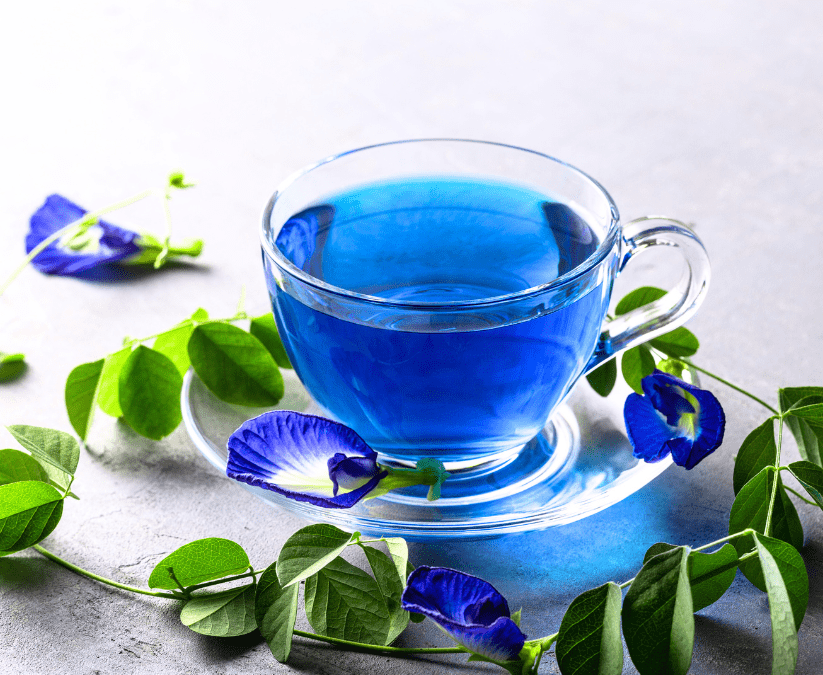
The vibrant azure hue of Butterfly pea tea is more than just a visual gimmick for social media aesthetics; it is a profound indicator of complex phytochemical properties that have been utilized for centuries. This herbal infusion, derived from the Clitoria ternatea plant, offers a unique intersection of traditional Ayurvedic wisdom and modern nutritional science. While the global market has recently discovered its color-changing properties, the plant remains a staple in Indian heritage, where it is known by names such as Aparajita or Shankhpushpi.
The Indian Roots: Where Butterfly Pea Tea Finds its Origin
In India, the Clitoria ternatea plant grows naturally across the tropical landscape, particularly in the humid regions of West Bengal, Kerala, and the coastal belts of Maharashtra. It is not merely a wild plant but a common sight in Indian households, often found climbing over garden fences or adorning temple entrances. The flower is deeply intertwined with cultural rituals, often offered to Lord Shiva and Goddess Durga, symbolizing purity and victory over ignorance.
Beyond its spiritual significance, Indian households have long integrated the plant into traditional wellness practices. In rural communities, the roots and leaves are often used in poultices, but it is the deep blue flower that has gained prominence as a therapeutic beverage. Unlike commercial tea varieties, Butterfly pea tea in an Indian context is frequently consumed as a fresh infusion, straight from the backyard to the boiling pot, ensuring the preservation of its volatile compounds.
The Biochemical Profile of Butterfly Pea Tea
From an analytical perspective, the efficacy of Butterfly pea tea is rooted in its high concentration of ternary anthocyanins, specifically delphinidins. These compounds are responsible for the intense blue pigmentation and provide the antioxidant foundation that characterizes the beverage. Unlike Camellia sinensis, this herbal tea is entirely caffeine-free, making it a suitable option for those seeking a non-stimulant alternative with functional benefits.
The presence of proanthocyanidins and various phenolic compounds contributes to its ability to neutralize free radicals. Research suggests that these antioxidants are more stable in the form of Butterfly pea tea than in many other floral infusions, which allows for a more consistent delivery of nutrients. This stability is a key reason why the tea is often recommended for its anti-inflammatory and anti-aging properties.
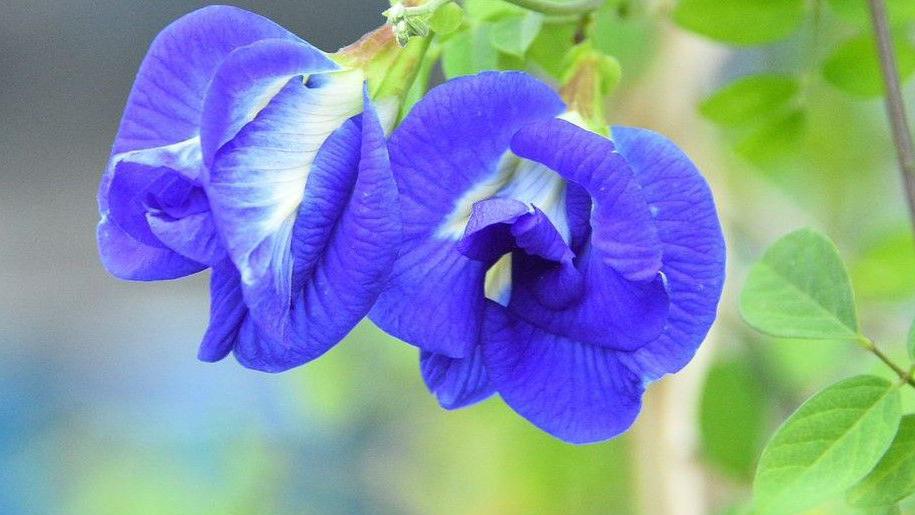
Cognitive Enhancement and Nootropic Benefits
One of the most compelling reasons to consume Butterfly pea tea is its potential as a nootropic. In the Ayurvedic tradition, the plant is classified as a ‘Medhya Rasayana,’ a rejuvenator of the mind. Clinical observations indicate that the extract may increase levels of acetylcholine in the brain, a neurotransmitter vital for communication between neurons. This mechanism is essential for memory retention, focus, and overall cognitive clarity.
For individuals dealing with high-stress environments, the tea acts as an adaptogen. It helps the body manage the physiological effects of stress by modulating cortisol levels. By incorporating this tea into a daily routine, one might experience a noticeable reduction in mental fatigue. To learn more about how herbal remedies support mental health, you can explore our comprehensive guide to Ayurvedic lifestyle practices.
Metabolic Regulation and Weight Management
The modern obsession with metabolic health finds a potent ally in Butterfly pea tea. The tea contains ternatins, which have been shown to inhibit the synthesis of fat cells (adipogenesis). By disrupting the pathways that lead to fat accumulation, the infusion serves as a functional tool for those aiming to maintain a healthy body composition. It is not a miracle cure, but rather a metabolic catalyst that works best when paired with a balanced diet.
Furthermore, the tea has shown promise in regulating blood glucose levels. The antioxidants present in the petals can inhibit certain enzymes that break down carbohydrates into sugars, leading to a more gradual release of glucose into the bloodstream. This makes Butterfly pea tea a strategic choice for individuals monitoring their insulin sensitivity. For a deeper dive into metabolic health, check out our article on herbal tea varieties and their functions.
Dermatological and Hair Health Advantages
The cosmetic industry has increasingly turned its attention to Clitoria ternatea due to its high bioflavonoid content. When consumed as a tea, these compounds stimulate collagen production, which is fundamental for maintaining skin elasticity and preventing premature fine lines. The anthocyanins also protect the skin from oxidative damage caused by UV radiation and environmental pollutants.
In addition to skin benefits, Butterfly pea tea is often linked to improved hair health. The presence of anthocyanins increases blood circulation in the scalp, which strengthens hair follicles and may reduce the rate of graying. Many traditional Indian hair oils include extracts of this flower to promote thickness and luster, proving that its benefits are as effective when ingested as they are when applied topically.
Understanding the pH Sensitivity: The Magic of Color Change
The most distinctive characteristic of Butterfly pea tea is its pH sensitivity. In its natural state, the tea is a deep indigo blue with a neutral pH. However, when an acidic component like lemon or lime juice is added, the pH level drops, causing the anthocyanins to undergo a structural change that shifts the color to a vibrant purple or magenta. This is not just a visual trick; it is a demonstration of the tea’s chemical reactivity.
Conversely, adding alkaline substances like saffron or certain hibiscus varieties can shift the color toward green or deep red. This versatility has made it a favorite in the culinary world for creating natural food dyes. For more scientific insights into plant-based pigments, you can refer to studies published by the National Center for Biotechnology Information (NCBI).
Types and Variations of Butterfly Pea Tea
Butterfly pea tea is available in several forms, each catering to different preferences and preparation styles. The most common form is the whole dried flower, which preserves the integrity of the petals and allows for a clear, clean infusion. This is generally considered the highest quality for those who appreciate the ritual of tea making.
Another popular variant is the Butterfly pea powder, often referred to as ‘Blue Matcha.’ While it is not true matcha (which is made from green tea leaves), the fine powder allows for full consumption of the plant material, leading to a more concentrated dose of antioxidants. It is also highly convenient for mixing into smoothies, lattes, or baked goods. Finally, many brands offer tea blends where Butterfly pea is combined with lemongrass, ginger, or mint to balance its naturally earthy flavor profile.
Preparation Tips and Tricks for Optimal Flavor
To extract the maximum benefit and flavor from Butterfly pea tea, one must pay attention to water temperature and steeping time. Using boiling water (100°C) is generally recommended, as it effectively breaks down the cell walls of the dried petals. A steeping time of 5 to 7 minutes is ideal for a robust infusion. If left too long, the tea can develop a slightly bitter, woody undertone, though it remains highly nutritious.
Because the flavor of pure Butterfly pea tea is quite mild and earthy—reminiscent of green tea but without the astringency—it serves as an excellent canvas for other ingredients. Adding a touch of honey or stevia can enhance its natural sweetness. For a refreshing summer drink, the tea can be cold-brewed over 12 hours, resulting in a smoother, more delicate flavor profile that is perfect for hydration.
Advanced Culinary Uses
Beyond simple beverages, Butterfly pea tea is a powerful tool in the kitchen. It can be used to dye rice, creating a stunning blue base for Thai or Indian dishes. It is also used in the creation of ‘mood-ring’ cocktails, where the color change occurs as the drink is mixed at the table. In the world of molecular gastronomy, the tea is often turned into foams or gels to add a sophisticated visual element to gourmet plates.
Frequently Asked Questions
Is Butterfly pea tea safe for daily consumption?
Yes, for most individuals, Butterfly pea tea is safe to consume daily. It is caffeine-free and has a long history of use in traditional medicine. However, as with any herbal supplement, moderation is key. Pregnant or breastfeeding women should consult their healthcare provider before introducing it into their diet.
Does Butterfly pea tea have any side effects?
There are no widely documented adverse side effects of Butterfly pea tea when consumed in reasonable amounts. Some individuals might experience mild digestive changes if they consume excessive quantities due to the high antioxidant concentration. Always start with one cup a day to see how your body reacts.
Can I use Butterfly pea tea for weight loss?
While Butterfly pea tea can support weight loss by inhibiting fat cell production and regulating blood sugar, it should not be viewed as a standalone solution. It is most effective when used as part of a holistic approach that includes physical activity and a nutrient-dense diet.
How do I store the dried flowers?
Dried Butterfly pea flowers should be stored in an airtight container, away from direct sunlight and moisture. When stored correctly in a cool, dark place, they can maintain their potency and color for up to a year. Avoid storing them in the refrigerator as the condensation can degrade the petals.
Incorporating Butterfly pea tea into your wellness repertoire offers a sophisticated blend of sensory appeal and physiological support. Whether you are drawn to its cognitive-enhancing properties or its ability to improve skin and hair health, this vibrant infusion stands as a testament to the power of botanical medicine. By understanding its Indian origins and biochemical mechanisms, you can fully appreciate the depth of this remarkable blue tea. Start by experimenting with a simple hot brew, and observe how this ancient flower can transform your modern health routine through its potent, natural efficacy.
Related reading: Discover Daringbadi: An Offbeat Odisha Gem